The Wallace Family
Meet the Wallaces
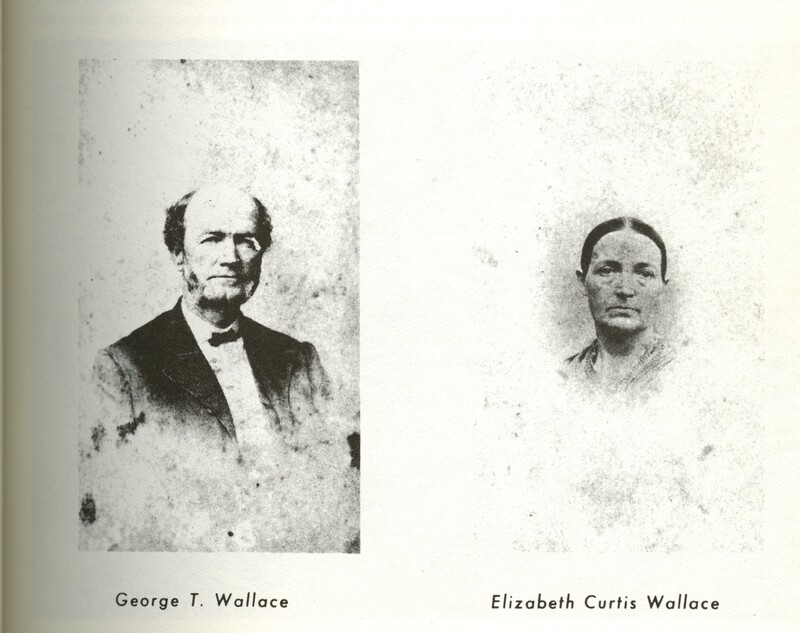
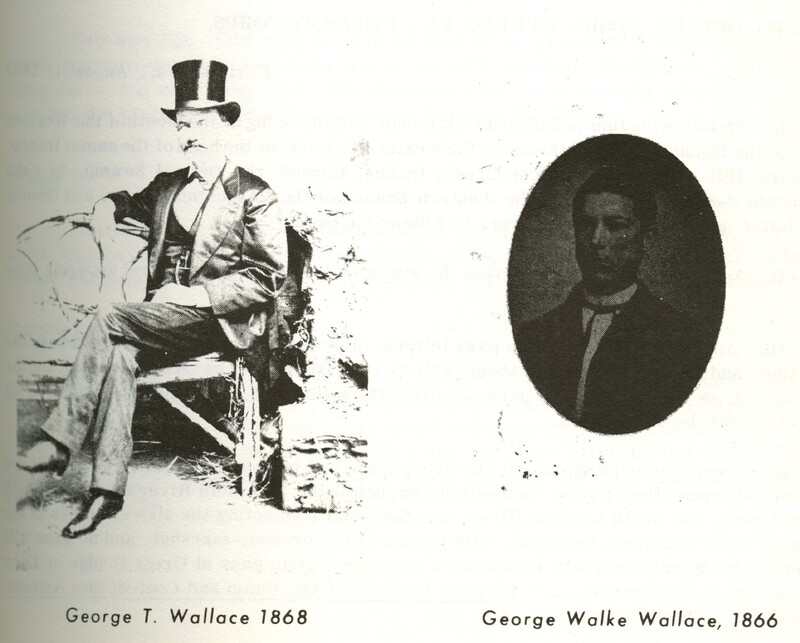
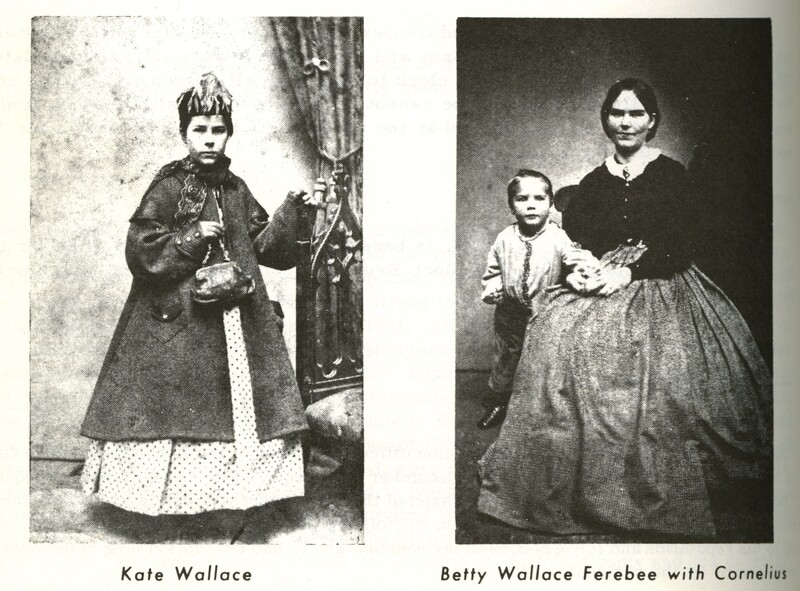
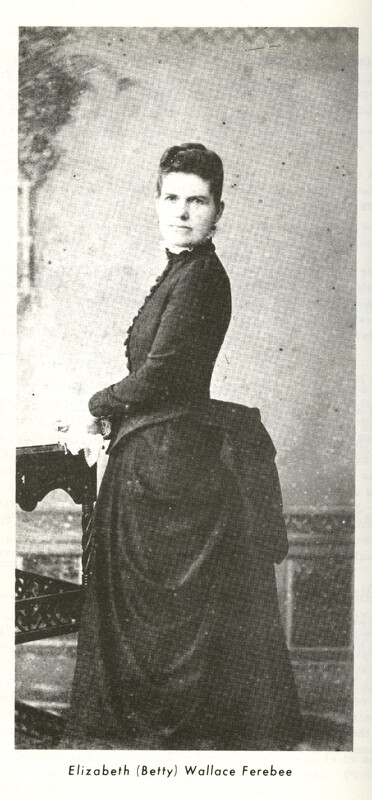
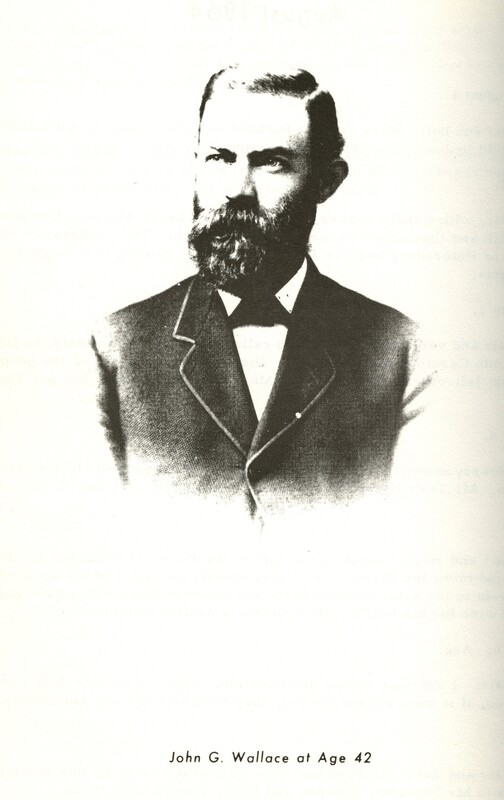
The Wallace family includes:
- George and Elizabeth Wallace (married in 1835)
- Mary Elizabeth (Born 1/15/1836; referred to as Bettie)
- John G. (Born 5/23/1840)
- William Curtis (Born 3/23/1842)
- George Walke (Born 11/17/1845)
- Nannie Curtis (Born 11/9/1849)
- Katie Darling (Born 9/9/1852)
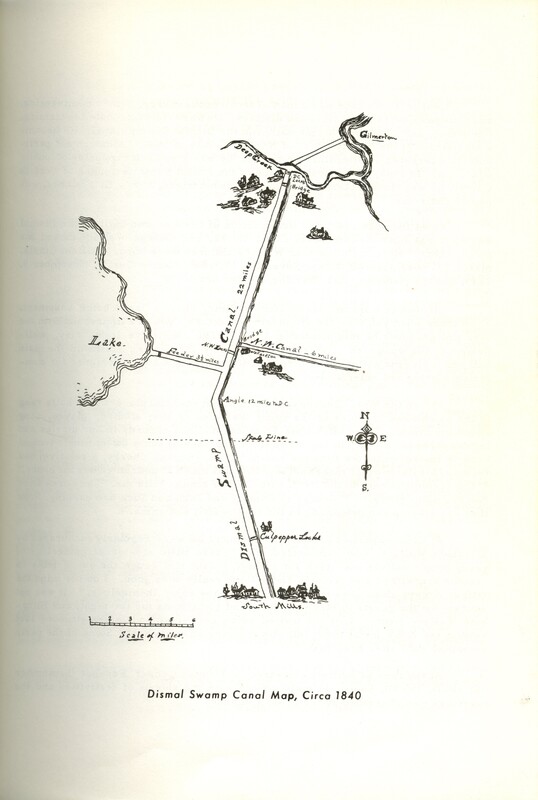
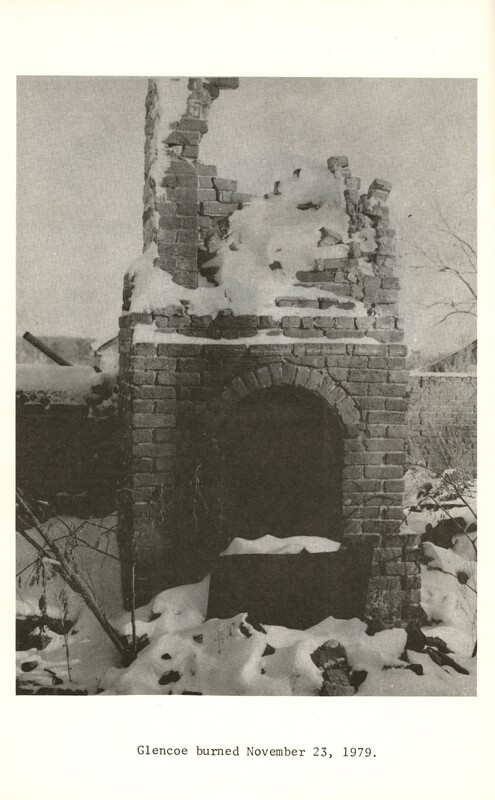
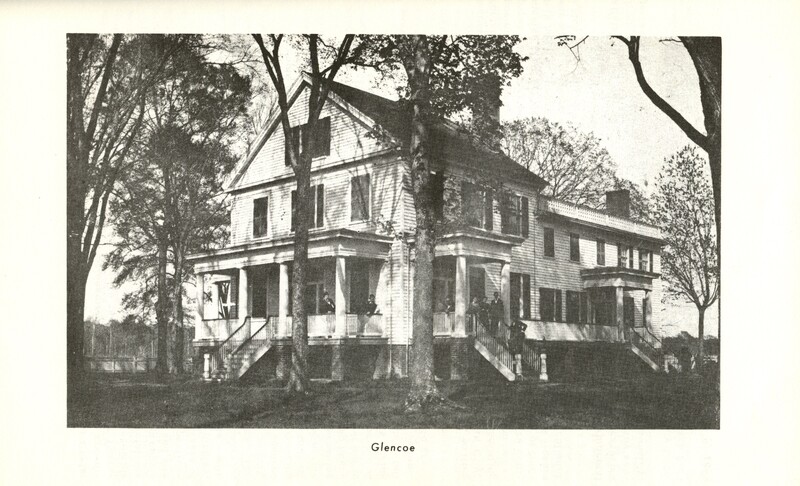
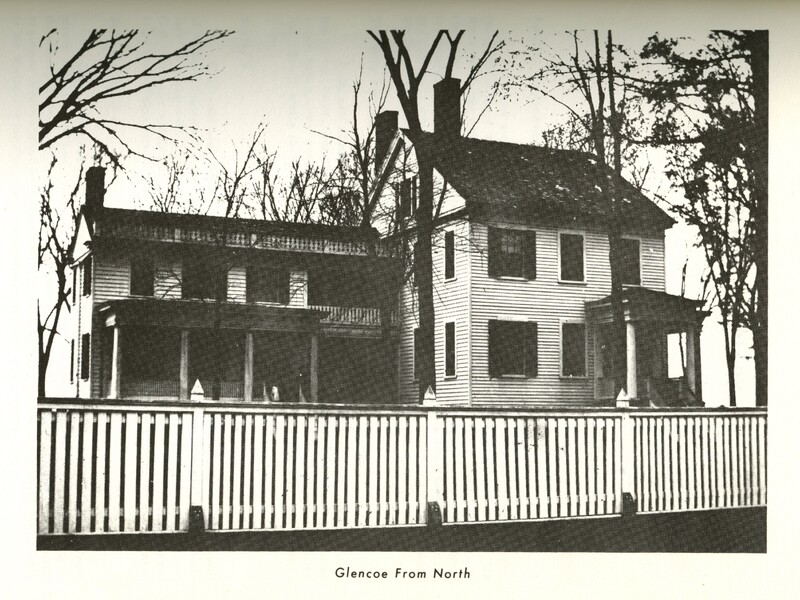
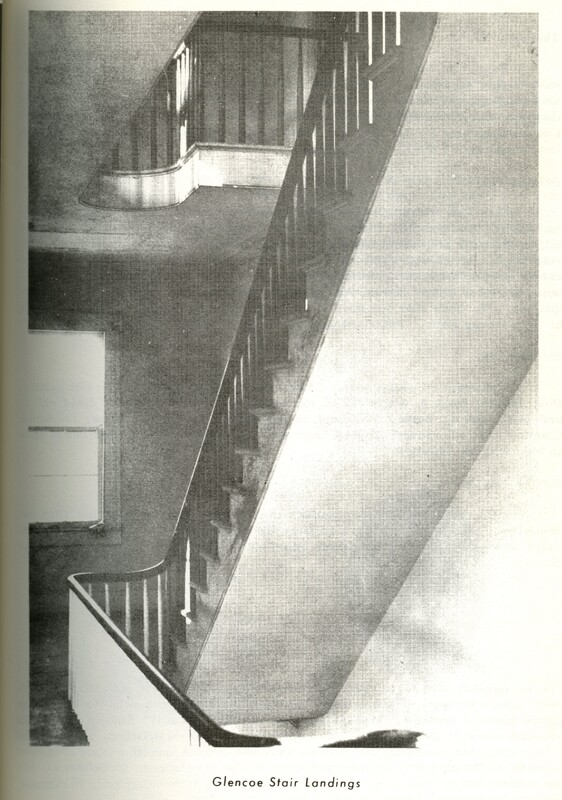
The Wallace family lived on the Dismal Swamp Canal in a plantation house they called Glencoe. The house started being built in 1841. Glencoe was the location of many parties and family gatherings, and it almost seemed like it was built for it, with three stories and bright, open rooms. Elizabeth stated, “These little occasional gatherings of young people enliven our lives for a short season and cause the young folks to become acquainted and friendly and I think really does good. I do not mind the fatigue if everything goes well and the company enjoy themselves.”
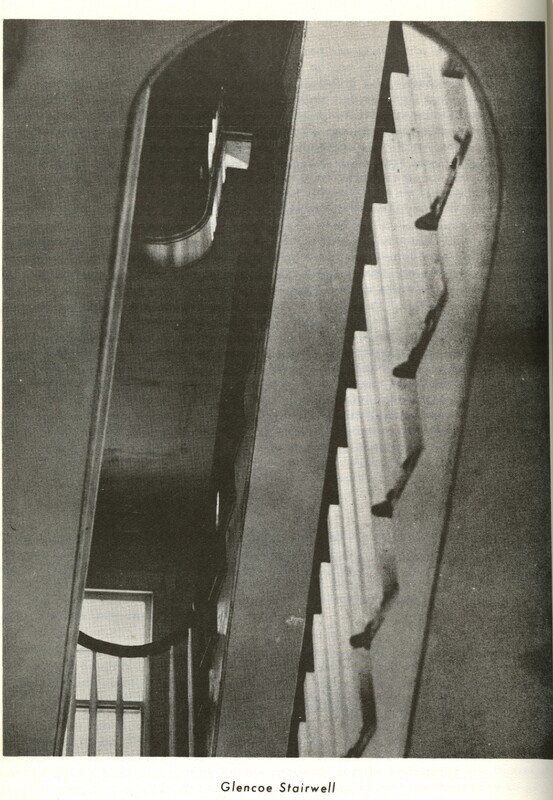
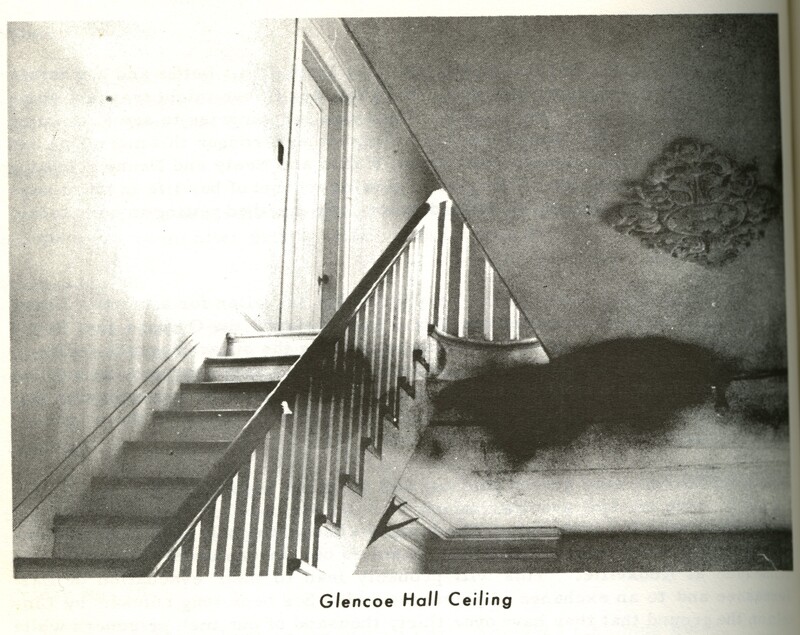
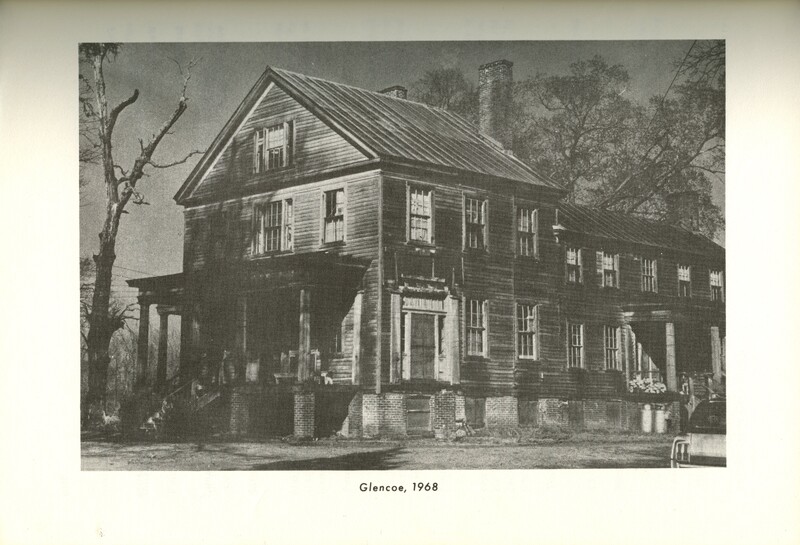
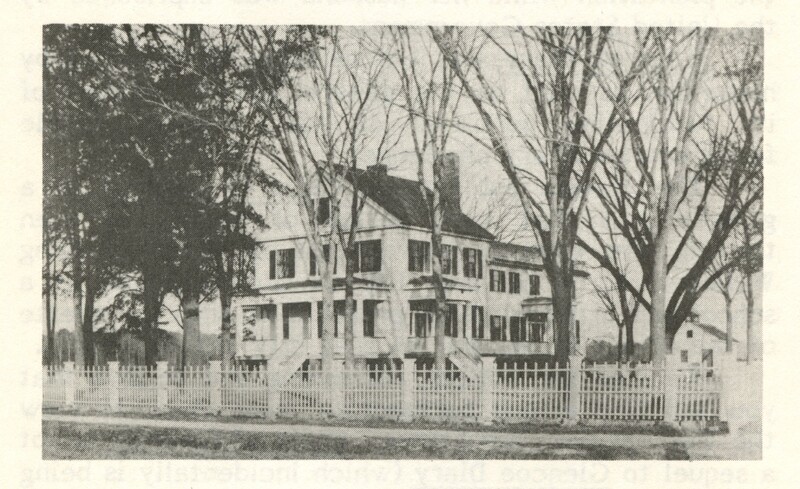
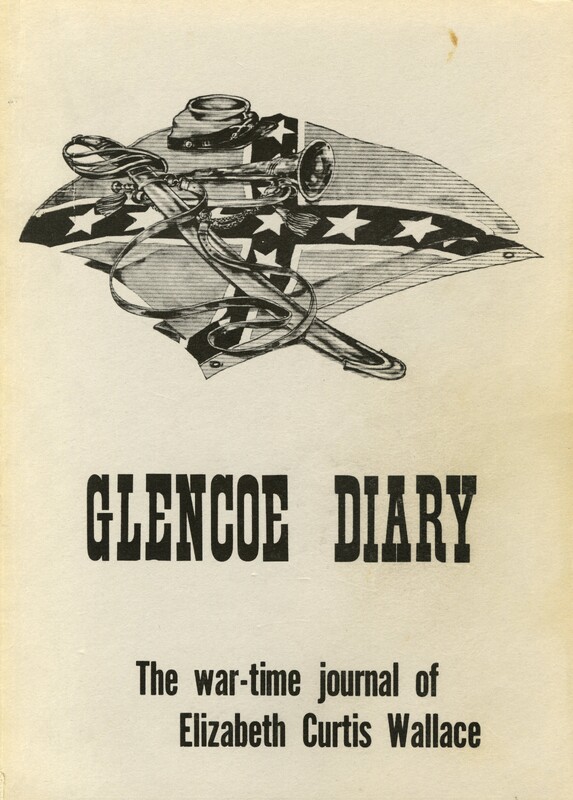
"Glencoe Diary: The war-time journal of Elizabeth Curtis Wallace"
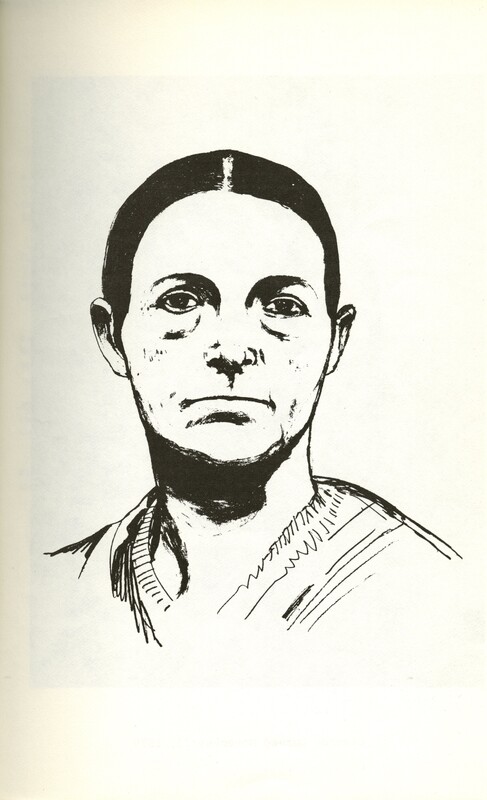
Who was Elizabeth?
Elizabeth Curtis Wallace (1816-1866) was a writer for newspapers in Norfolk, Suffolk, and Elizabeth City. She had a pen name, Allie Zandt, under which she released poems and letters that were published in other newspapers and magazines. She also wrote some religious articles for the Presbyterian magazine. She was a teacher and wrote in her journal about her students and the struggle of holding classes during the Civil War. Elizabeth was politically informed as well, sharing her thoughts about slavery. She was a Confederate supporter, but also sympathetic towards the enslaved; in a letter to her sister written before the War, she said, “...when I see (n-words) misused how I long to see them free from their iron hand.” Elizabeth expressed sadness over the death of “Stonewall” Jackson, saying, “He died as soldiers like to die.” However, she also professed a lack of faith in the Confederacy: “Judging from all appearances we fear our days as a Confederacy are numbered.”
Her diary spans from April 1863 through December 1864. Elizabeth wrote in it with remarkable consistency, with entries for nearly every day, often noting the weather. Her recorded weather observations are presented in a calendar-style spreadsheet, allowing for easy viewing by date.
The Civil War: A Regular Inconvenience
The Glencoe house was frequently visited by both Confederate troops and Federal soldiers in the Civil War, because it sat essentially in the middle of nowhere, and the Wallace family didn’t bother to evacuate. The impromptu house guests were often mentioned by Elizabeth:
- “Our visitor the soldier is still waiting for the result of the fourth attempt to get his horse.”
- “Our soldier has just come in and says they have destroyed all the fodder a great deal of corn and of course they are burning our fence.”
- “How angry I become sometimes when these yankees ride up and ask for team, for supper, for a place to sleep or some other favor.”
Elizabeth discusses hearing bombing and gunfire in her day-to-day life.
- “My little school continues and the pupils begin to improve a little. Firing has been heard at intervals all day. Several explosions were heard this morning before day about two o clock.”
- “After breakfast I was standing in the porch and heard, on the canal, several discharges of guns or pistols, on looking in that direction I discovered mounted men riding fast towards the nearest pickets.”
- “Heavy firing was heard this morning in the direction of James River. I spent the afternoon working in the garden.”
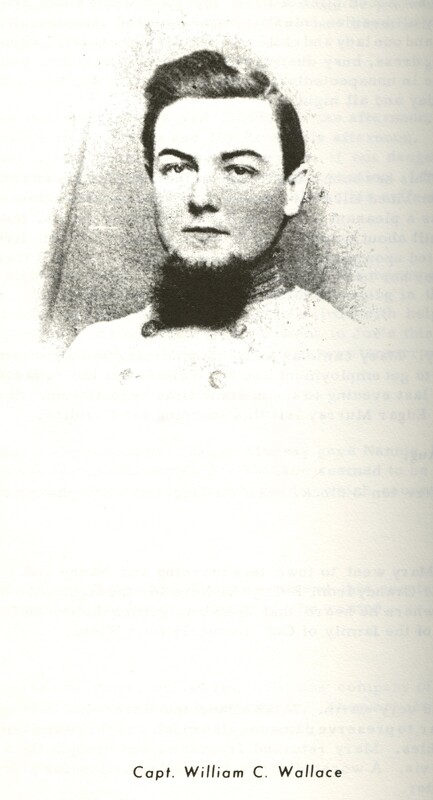
There are several mentions of the Wallaces being completely cut off from news and information for days at a time, which must have been especially hard considering her children were soldiers. Elizabeth’s son, William Wallace, was elected to be the First Lieutenant of the Jackson Greys, and eventually, captain. Her other son, John Wallace, was captain of the Blanchard Greys.
- “We also hear firing but we can learn nothing, being shut out from all communication with the cities.”
- “We heard today that William’s Company suffered severely and all that were not killed were taken prisoners. O God how long? How long must this suspense continue?”
- “The more I think of John and his dreadful wound, the more I desire to break through the Yankee rules and run the blockade to be near him and nurse him.”
George Wallace, Elizabeth’s husband, was arrested for, “entertaining blockade runners,” amongst other charges. Elizabeth wrote, “Now I must hide this book; for the next thing that occurs to us by the yankees, will be, probably, the searching of our house and this little book might tell some tales.”
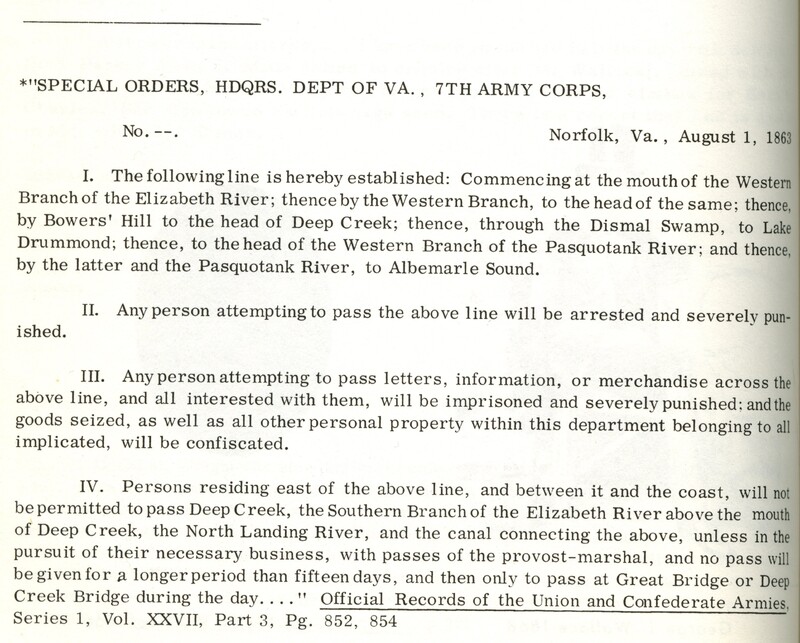
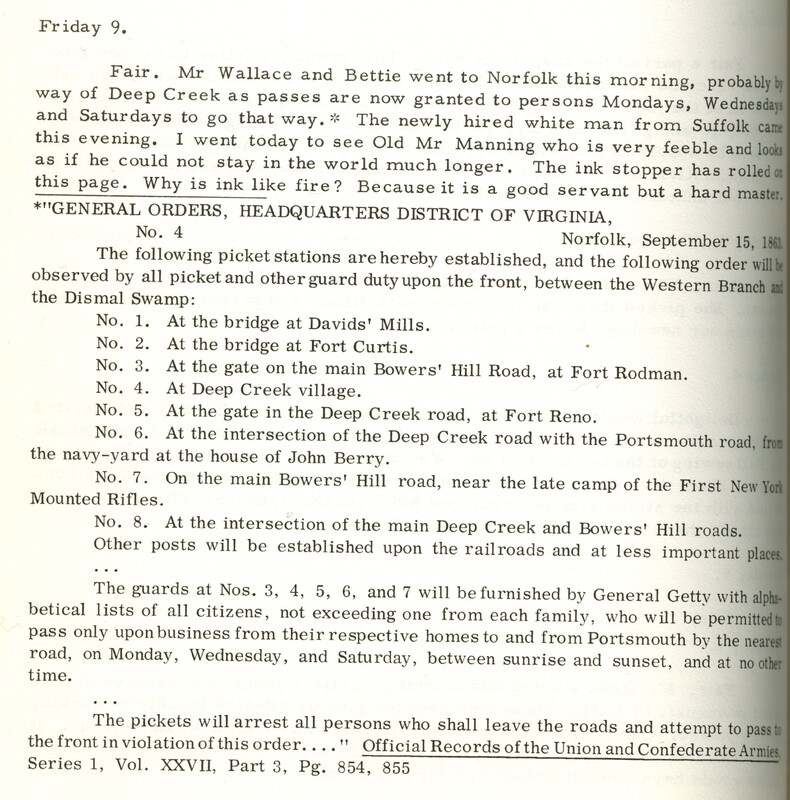
Included in this book is an excerpt from a special order of the Army, declaring a dividing line through parts of the Tidewater area; residents looking to cross would need a special pass, and otherwise could not cross the line. Letters and information were also prohibited from crossing; punishment for being caught would include imprisonment, and personal property would be seized. Another general order was included, upping the security bordering the line and tightening restrictions on when people could cross. These restrictions prove to be more annoying than anything else, because it would take longer for Elizabeth’s family to come home when they traveled around the Tidewater area.
The Political Struggle
Elizabeth shares her family’s struggle to accept President Lincoln’s message where he offered amnesty to Confederate soldiers who willingly resigned from their cause and condemned the stubborn South who refused to accept the end of slavery. There were also mentions of people being falsely informed of others taking the oath, as they called it.
- “We have now concluded to stay at home shut up from the world until the next wave comes over us.”
- “The whole day has been engrossed with the subject of the Oath. Poor George cannot speak of it without tears. Joe is distressed and Mr. Reed also and seem to feel that it may be their duty to sacrifice themselves for their families, not their property; that it is nearly gone already. We are all poor, and the question now is shall we accept the poverty and freedom in the Confederacy or shall we accept slavery and the remains of our fortunes in the United States. It would be cruel in our Confederate Government to frown upon the many who have taken the oath in tears and bitterness.”
- "This day has been spent in sitting by the fire and talking about the oath, that wicked oath put forth by that wicked Butler. O can any man be forgiven who has caused thousands to swear solemnly to a falsehood.”
- “We have determined to spend our days here if the enemy will allow us. If they take Virginia from us, then we will remain under their government for the sake of keeping Glencoe. So we really stand on a sort of neutral ground though our hearts are with the South.”
Elizabeth’s son, William, died in August of 1864, and she wrote a lot about how it affected her and her family.
“We this day received the painful intelligence of the wounding and death of our dear son William. He died on the 22nd inst. in the full enjoyment of Christian faith. O this is a fearful blow to our hopes and plans for the future. Our darling son, so young, so promising. He was 22 twenty two years of age on the 23rd of last March. Poor dear William. He was left wounded on the battle field and was taken up by the Yankees and laid in their Field Hospital. He was wounded badly in both legs, one, the left was amputated. He suffered four days from the 19th to the 22nd, when he was relieved by death.”
Elizabeth and her family felt like they had to take the oath Abraham Lincoln had assigned, both in order to get William’s body back and because it was now required lest they be sent away: “By taking the oath I think Mr. Wallace can get it [William’s body], and he will now be compelled to take it as well as all of us, for Old Butler has issued a new and still more terrible decree that all persons male and female must heartily take the oath by the 15th or be sent across state lines."
Other Details
While she was not often poetic in her journal, Elizabeth wrote an entry on January 1, 1864, that spoke to the silent battles she was fighting while being the woman of the house:
“There is no record in this dull and simple little work of the most interesting circumstances of the year, no record of my deepest feelings, emotions, or passions, my greatest joys and most pungent sorrow. It is said that there is a skeleton in every man's house. I fear there are several in ours. I meet the fearful thing in every room, and bitterness the most bitter follows in his bony track. Often I am tempted to fly, but no sooner do I essay to do so than I hear the clanking of a chain that attaches me to the spectre; no, not a spectre it is a reality. There is no getting away. To separate myself from this house, and all the pleasant things and dear ones in the house would do no good. The skeleton would go with me, the chain cannot be broken. It is all right, all of my own choosing, and God has most kindly caused many good events and experiences to grow out of this connexion and 'what God has joined together let no man out asunder.'"
On a lighter note, Elizabeth was (perhaps unintentionally) funny when she was frustrated. These are some quotes I found that made me laugh:
- "Fair. Fair weather but anything else but fair doings about this neighborhood."
- “Every one in the house have been angry today. God help us.”
- “I am just asking the question, What would this half dozen poor families do, if it were not for the help they receive from our storehouse.”
- “It is the dullest of dull things to have an ignorant neighbor come in and spoil a whole Sunday afternoon.”
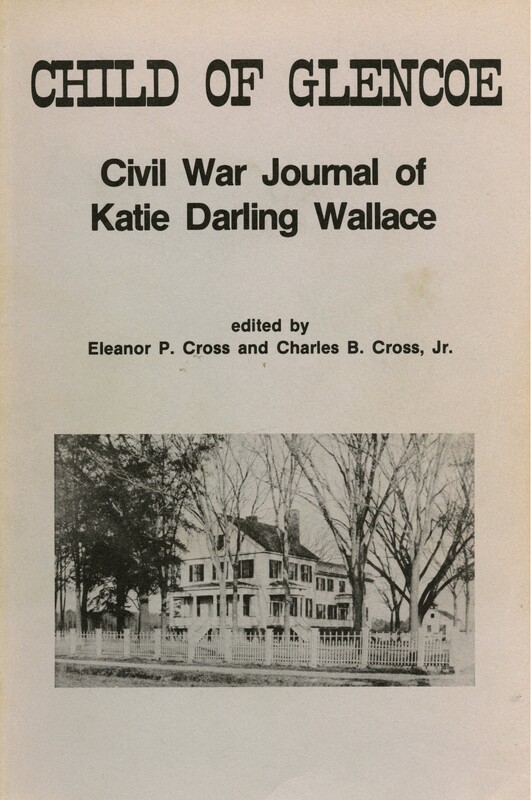
“Child of Glencoe: Civil War Journal of Katie Darling Wallace”
Who was Katie?
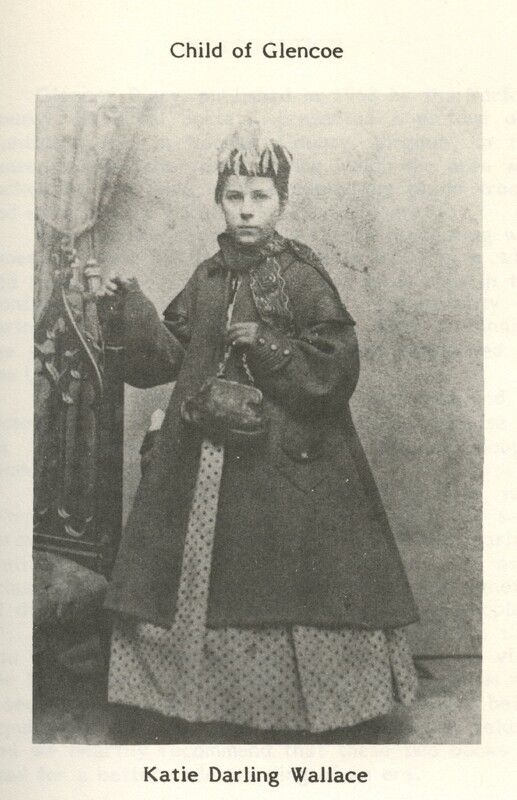
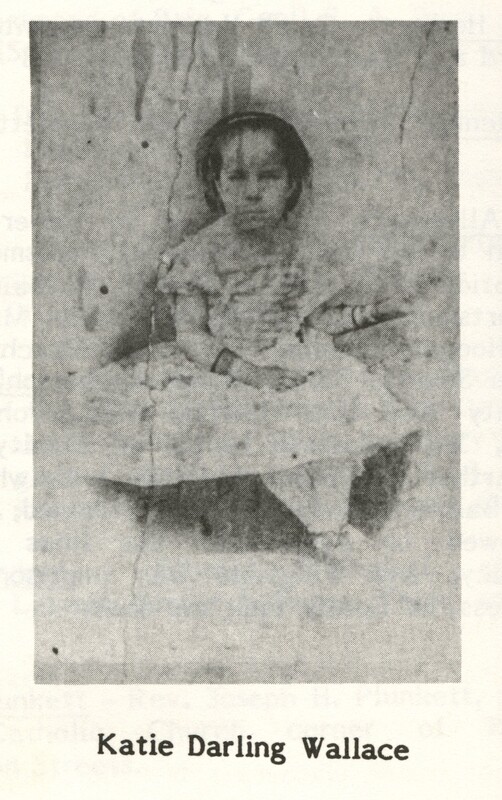
Katie Darling Wallace (1852-1924) was a great writer for her age; the journal was written when she was eleven years old, and very little had to be edited when it was published. In the beginning of the book, there is a short story written by Katie in 1863 called “Home Life - The Kitchen.” It is clear that this story is a mirror for Katie’s own life; Katie substitutes her name with Carrie, and her sister Nannie’s name with Annie, as mentioned in the introduction to the diary. Also mentioned in the introduction is that the story should be read before the journal. While only a few pages long, this short story offers a charming vignette into the life of a young girl in the 1860’s. It follows her “Mother” making two meals, breakfast and dinner, and Annie and Carrie (begrudgingly) helping her with setting the table, and more.
The journal itself takes place from July 1863 through May 1864. It was written in two volumes, one for each year, though the month of December 1863 is missing. Katie’s entries are much more sporadic than her mother’s; there were nearly entire months between entries at times. The journal occurs around when her father was imprisoned for a short period.
Growing Up Fast
Right away in the journal itself, it seems like Katie was aware of the seriousness of the world events around her. She worried for her brothers who, at the time, were away from home at war and school:
- “I wonder where my dear brothers are tonight?”
- “How I wish we could hear from the dear ones: Brother John, William and George. Georgy is at Chaple Hill N.C. at school. We get a letter once in a while from him. In his last he says ‘When I come home I expect to see N(annie) and K(ate) accomplished young ladies.’ I hope so too.”
- “I would give anything to have this war stopped, and see my brothers once more. God has preserved them so far and why not always?”
- “This morning when I went down to breakfast Mother put into my hands a little letter from Georgie. He commenced it with the words: ‘Dear Big Katie.’ …I am going to write Georgie a letter, better than any I ever wrote. God help me.”
Katie also had a sense of patriotism, and did not entertain the Yankees that frequented Glencoe:
- “I often think of the dear Southern soldiers. I think of the dear ones perhaps lying out on the cold earth with the rain pouring in torrents on them. They – and many more of the brave Southern people who were never used to anything but the nicest of every thing. O, it chills my heart and brings tears to my eyes when I think of it. Our Father in prison, our sons and brothers in the army likely to be killed at any time, Nannie has eppilepsy, my back is so weak I am of little or no good, things are so high, and the Yankees will not take Southern money at all; nothing but Union money as they call it, but we call it by its right name: Yankee skinplasters; dear George at school so many miles from here, the servants all gone though that is a blessing rather than a plague – I say we are in a bad fix.”
- “May victory crown the South.”
- “When we got home the yankees were here and searching the house. This is the first time our house has been searched, and I and Wallie who had just come home were highly incensed at it. Wallie started out to get a brick bat, while I flew to protect my trunk, and arrange my disordered hair. They did not trouble any thing in the house, but took all of our salt, and a few hats, together with some tobacco. Father and Sister have gone to South Mills to see if they cannot get back our salt.”
- “I and a yankee had a quarrel yesterday. He asked me if I did not think he could not convince me the north was right. I told him he had better not try, for he would certainly get failed.”
Katie was smart, but could be dramatic and snarky at times, with a mischievous side:
- “Got downstairs late, and gained nothing by the opperation but a cold breakfast.”
- “O Glory! I wish something would happen good, so I would have a little more to say. This is a page of absolutely nothing.”
- “I went to school today as usual, and received a reprimand from Miss Matilda, for laughing when I was reciting a lesson.”
- “Miss Matilda wants to put me in higher studies if Father is willing to pay another dollar.”
- “I shall never learn how to write, never, never! My writing is miserable. I hate for the time to come when I have writing to do. Sister, Mother & all my brothers write a good hand, all but poor little me. They glide rapidly and smoothly over the paper, but I can not.”
Conclusions
The Glencoe diaries of the Wallace family were very intriguing reads for me. It was interesting to see what two generations of women who were experiencing the same thing had to say about such a pivotal moment in American history. Both Elizabeth and Katie were extremely smart and cared a lot about their family. Elizabeth’s work displays the struggle of taking care of a large family and house, while Katie’s has an air of naivety that comes with being a kid and not seeing how hard the people around you are working to keep you safe. It was not always clear, but from reading Elizabeth’s journal, it sounds like she struggled a lot with her husband being away a lot and even jailed for short periods, and all three of her sons across the country, two of them risking their lives. She wrote about wanting to escape Glencoe and all of its troubles, but she knew they would only go with her even if she did get away. Knowing she died just a few short years after finishing this journal is even more saddening, because it is likely that she never got the peace she wanted. Katie went on to attend school in Pennsylvania, then she married Dr. William Riddick and lived with him in Woodville, VA. It is said in the postscript of her journal that she lived a good life.
Sources & More Information
Works Cited
- Glencoe Diary: The war-time journal of Elizabeth Curtis Wallace Call Number: Spec Coll F 232 .N8 W28 1968
- Child of Glencoe: Civil War Journal of Katie Darling Wallace Call Number: Spec Coll E 605 .W255 1983
- Fisher, Bernard. “Glencoe Historical Marker.” Hmdb.org, 23 Aug. 2025, www.hmdb.org/m.asp?m=282377. Accessed 6 Mar. 2026.
- “Katie Darling Wallace Riddick (1852-1924) - Find A...” Findagrave.com, www.findagrave.com/memorial/33153236/katie_darling-riddick. Accessed 3 Apr. 2026.
Glencoe Diary: The war-time journal of Elizabeth Curtis Wallace and Child of Glencoe: Civil War Journal of Katie Darling Wallace were both published by the Norfolk County Historical Society of Chesapeake, Virginia, the first in 1968 and the second in 1983.