The Arts District and the Future of Creativity
Spaces for Performance and Collaboration
The performing arts have long been an essential part of the university's creative identity, and the buildings that house the growing needs of the arts have resulted in the creation of the Arts District at Old Dominion University.
The development of Monarch Way as the center of the university's visual arts community represents decades of planning and investment.
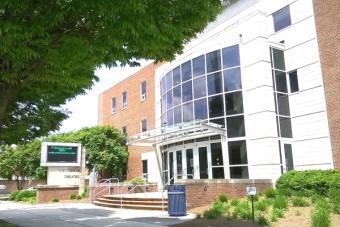
University Theatre
The University Theatre, located on 47th Street, has served generations of students and audiences as a traditional proscenium stage for theatrical productions and musical performances. For decades, it provided a central venue where students could develop their skills in performance, design, and technical theatre.
Explore:
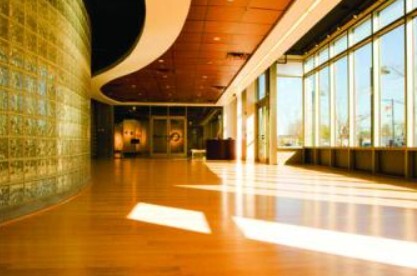
Baron and Ellin Gordon Art Galleries
The Gordon Art Galleries opened in 2007, providing a permanent exhibition home for contemporary art and the Gordon Gift collection of self-taught and folk art.
Through exhibitions, lectures, and community programs, the galleries connect ODU students and visitors with artists and ideas from Hampton Roads and around the world.
Explore:
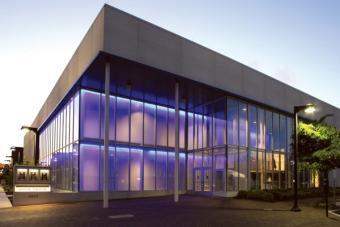
Goode Theatre
In 2014, the opening of the Goode Theatre introduced a flexible black-box performance space designed for contemporary theatre, film screenings, experimental productions, and technical theatre training. Its adaptable design reflects changing approaches to performance and provides students with opportunities to explore new forms of creative expression.
Explore:
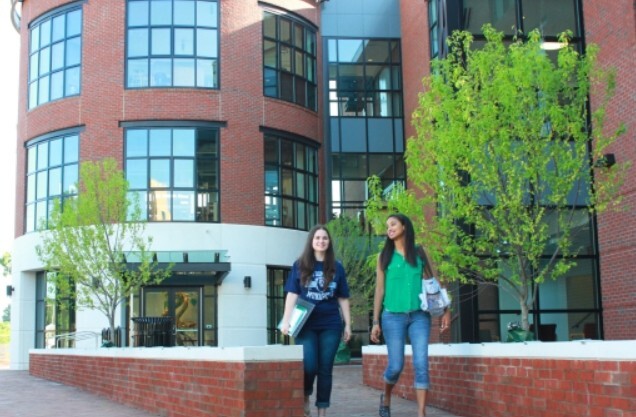
Barry Arts Building
The Barry Arts Building, opened in 2015, serves as a central academic hub for the Department of Art. The building houses classrooms, faculty offices, graphic design laboratories, collaborative spaces, and the Elise N. Hofheimer Art Library.
The facility brings together teaching, research, and creative practice in one collaborative environment.
Explore:
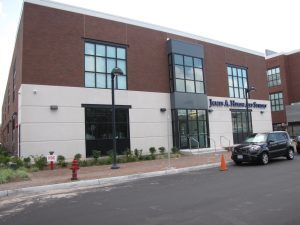
James A. Hixon Art Studio Building
Designed for intensive studio practice, the Hixon Art Studio Building provides specialized spaces for disciplines including painting, sculpture, and printmaking.
The building also houses the James A. Hixon Student Gallery, where students gain professional exhibition experience through thesis exhibitions, juried shows, and curated projects.
Explore:
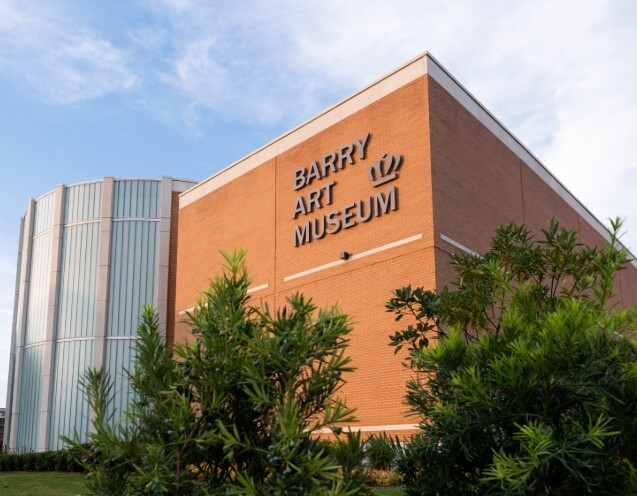
Barry Art Museum
The Barry Art Museum, which opened in 2018, further expanded the university's cultural presence through its nationally recognized collections and public programming.
Together, these facilities transformed the way art is created and experienced at Old Dominion. Students can move between studios, galleries, libraries, museums, and classrooms within a shared creative environment. Faculty can connect teaching and research with professional-level resources. Visitors can encounter exhibitions, performances, and collections that extend the university's reach into the Hampton Roads community.
Explore:
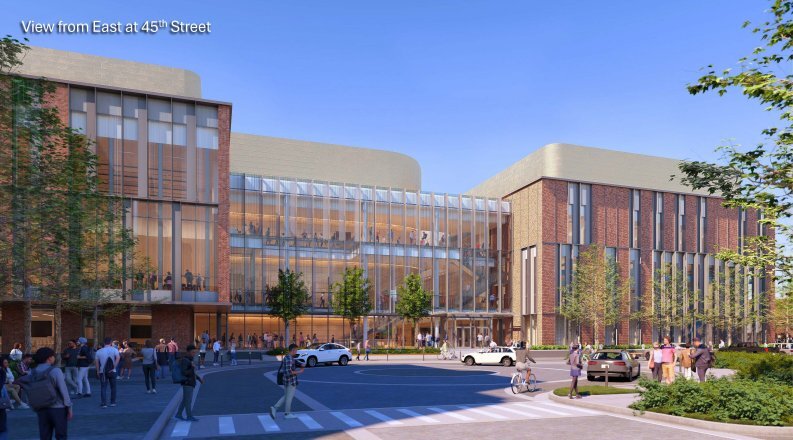
Forward Focused: The Engineering and Arts Building
The history of the arts at Old Dominion has always been shaped by adaptation. As the university enters its next era, that tradition continues through new approaches to collaboration and interdisciplinary learning.
Scheduled to open in 2027 between Monarch Hall and Batten Arts and Letters, the Engineering and Arts Building represents the next stage in the university's evolving creative landscape. The facility will bring together artists, designers, engineers, and innovators through shared classrooms, design studios, maker spaces, and exhibition areas.
The building reflects a growing recognition that creativity and innovation are not separate pursuits. Artistic thinking, design, technology, and scientific inquiry increasingly intersect in solving complex challenges and imagining new possibilities.