Humble Beginnings & Early Perseverance (1930s–1950s)
The story of the arts at Old Dominion University began long before the university became an independent institution. During the 1930s and 1940s, when the school operated as the Norfolk Division of the College of William & Mary, students could enroll in early courses in the fine arts. These offerings established a creative presence on campus and reflected a growing belief that artistic study was an essential part of higher education.
Although art courses were temporarily removed from the catalog in 1950, the desire for a stronger arts program remained. The foundation for what would become Old Dominion University's Department of Art was laid several years later with the arrival of Charles K. Sibley in the fall of 1955.
Sibley came to campus with the task of building an art program from the ground up. The resources available to him were limited: a single room in the former Larchmont School, a space that had previously served as both a cafeteria and a physics laboratory, and twelve easels.
What the program lacked in resources, it gained through determination. In the early years, Sibley taught nearly every course himself, including painting, drawing, design, art history, and art education. Beyond teaching, he developed curriculum, recruited students, established the foundations of the department, and advocated for the role of the arts within the growing institution.
Early Art Classes and Exhibitions
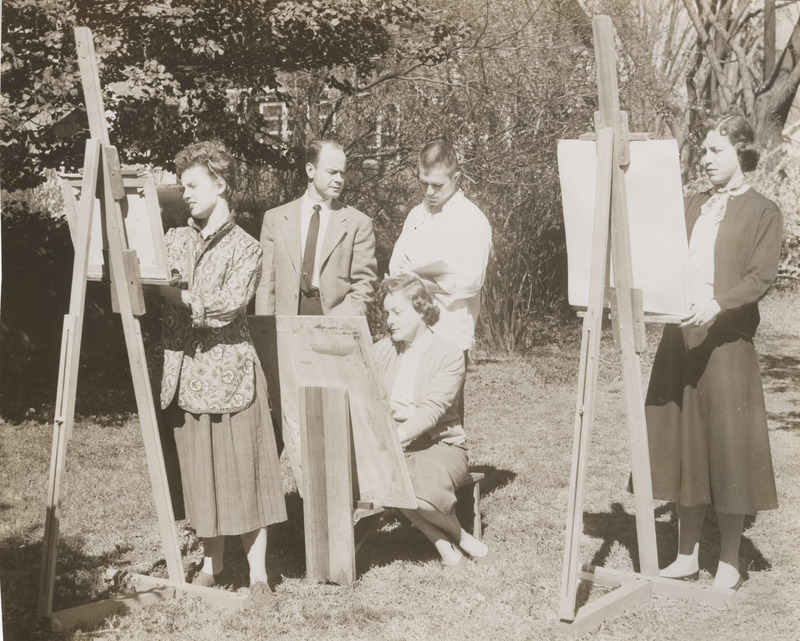
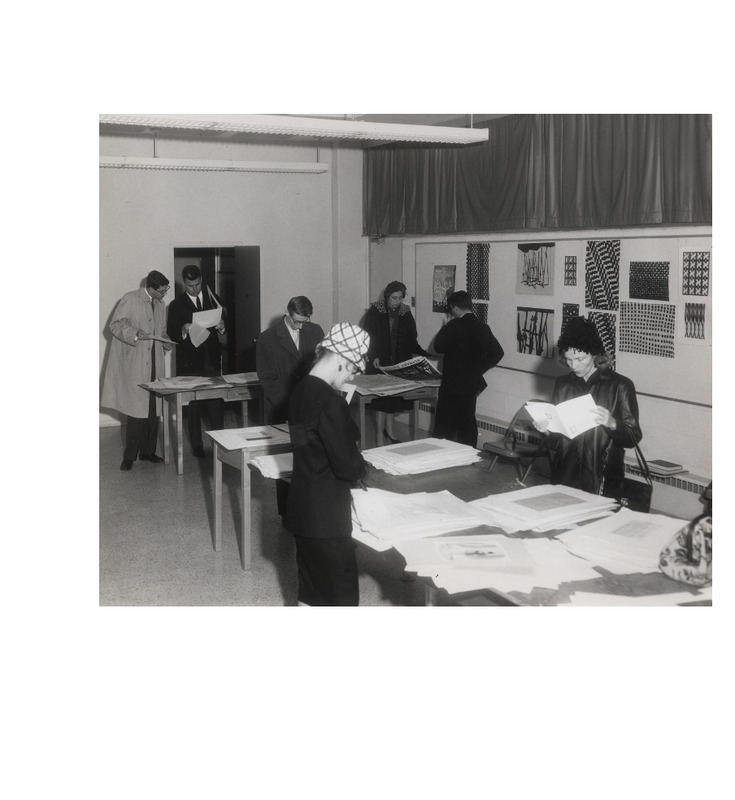
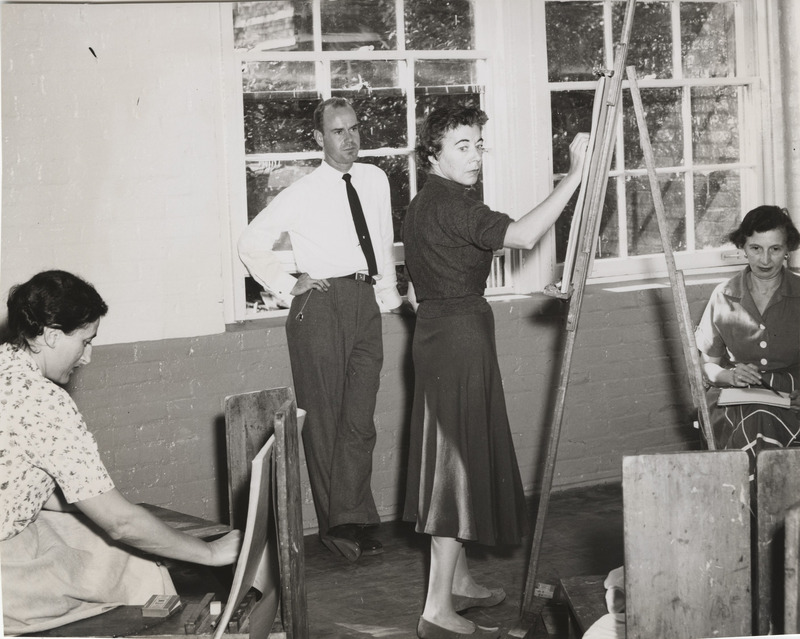
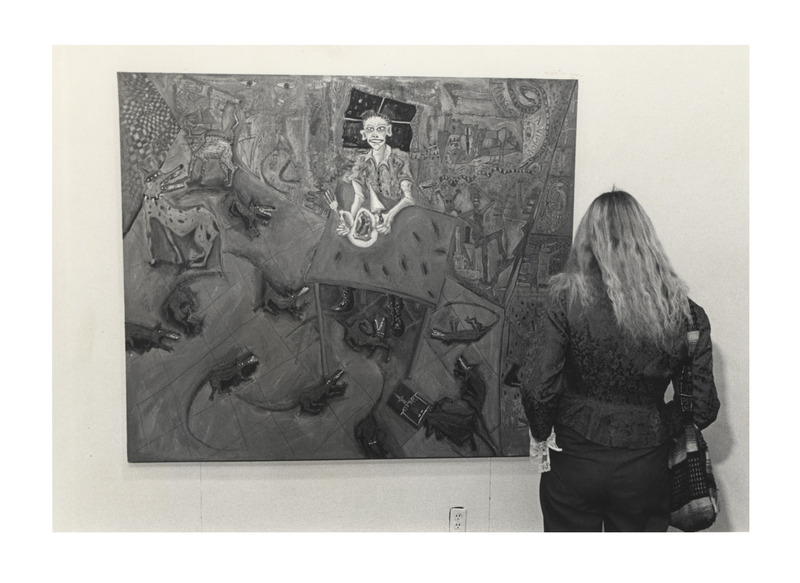
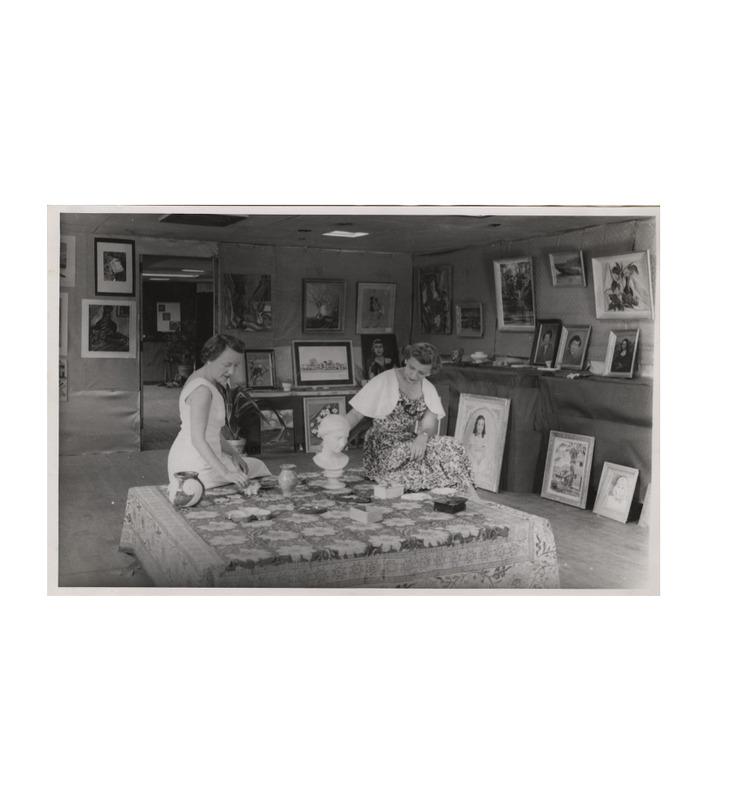
In 1959, art historian Parker Lesley joined the faculty, bringing additional expertise in art history and helping transform a small instructional program into a developing academic department. Together, Sibley and Lesley established the foundation for a community built around both artistic practice and scholarly inquiry.
From the beginning, the vision for the arts at Old Dominion extended beyond professional preparation in the studio. Sibley believed that engagement with art was essential to understanding human creativity, history, and culture. The arts were not viewed as an isolated discipline, but as a vital part of a university education, one that encouraged observation, imagination, critical thinking, and a deeper understanding of the human experience.